 Cover unavailable
01 / 12
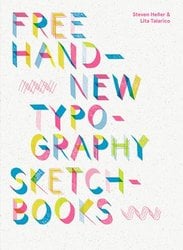
Free Hand: New Typography Sketchbooks
Steven Heller, Lita Talarico
Sketchbooks from more than seventy designers and typographers reveal the processes behind typefaces, logos, and other forms of lettering.
Synopsis
BOOKSTHAT LIST NUMBER 3076
For the letterform lickers.
ART & DESIGN
CREATIVE PRACTICE
Cover unavailableSteven Heller, Lita Talarico
Sketchbooks from more than seventy designers and typographers reveal the processes behind typefaces, logos, and other forms of lettering.
Synopsis Cover unavailable
Viction
Typeface specimens, design applications, and interviews explore how serif and sans-serif fonts can be paired to communicate tone while preserving legibility.
Synopsis Cover unavailable
Viction
Type specimens, design applications, and interviews examine how designers combine serif and sans serif typefaces.
Synopsis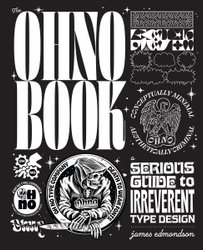 Cover unavailable
James Edmondson
James Edmondson shares type specimens, sketches, working methods, and instructions drawn from the practice of OH no Type Co.
Synopsis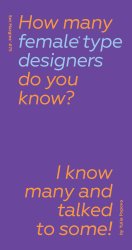 Cover unavailable
Yulia Popova, Gayaneh Bagdasaryan
Historical research, biographies, statistics, and interviews examine women’s contributions to type design and the field’s continuing gender imbalance.
Synopsis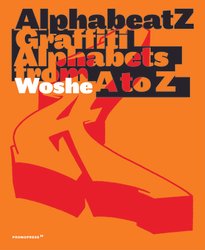 Cover unavailable
Woshe
Woshe traces graffiti writing’s origins and examines how artists transform the structure and appearance of each letter of the alphabet.
Synopsis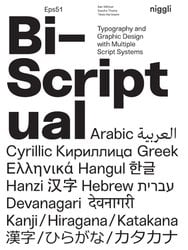 Cover unavailable
Ben Wittner, Sascha Thoma
Essays, interviews, and design examples explore combining multiple writing systems, comparing eight scripts with Latin typography and examining multilingual communication.
Synopsis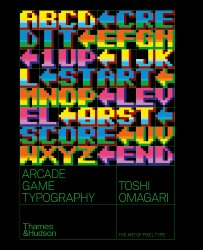 Cover unavailable
Toshi Omigari, Kiyonori Muroga
Toshi Omagari surveys pixel typefaces from early arcade games, examining how designers worked within limited resolution and color systems.
Synopsis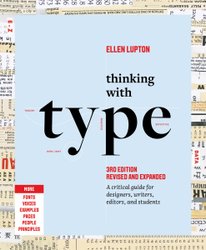 Cover unavailable
Ellen Lupton
Ellen Lupton explains typefaces, spacing, alignment, hierarchy, grids, and layout through historical and contemporary examples of visual communication.
Synopsis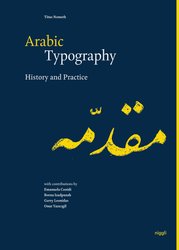 Cover unavailable
Titus Nemeth, Emanuela Conidi
Research on Arabic script’s typographic development is paired with practical guidance for designers working with Arabic letterforms and texts.
Synopsis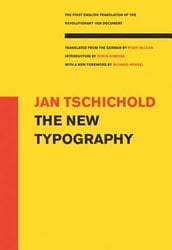 Cover unavailable
Jan Tschichold, Ruari McLean
Jan Tschichold’s 1928 treatise examines book and graphic design in the machine age, with later introductions providing historical context.
Synopsis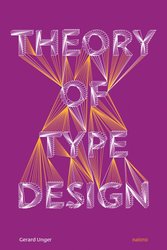 Cover unavailable
Gerard Unger
Gerard Unger examines type design through its history, legibility, spacing, rhythm, visual character, and the ways readers perceive letterforms.
Synopsis