 Cover unavailable
01 / 37
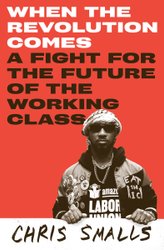
When the Revolution Comes
Chris Smalls
Chris Smalls recounts organizing Amazon workers during the pandemic and the campaign to establish the company’s first union in the United States.
Synopsis
BOOKSTHAT LIST NUMBER 8865
Let's collectively bargain!
POLITICS & SOCIETY
HISTORY
LIFE & COMMUNITY
Cover unavailableChris Smalls
Chris Smalls recounts organizing Amazon workers during the pandemic and the campaign to establish the company’s first union in the United States.
Synopsis Cover unavailable
Alva Gotby
Alva Gotby examines emotional care as essential labor, asking who performs it and how it sustains capitalism and social hierarchies.
Synopsis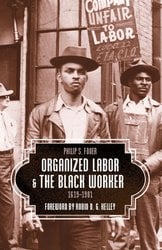 Cover unavailable
Philip S Foner, Professor of African-American Studies Robin D G Kelley
Philip Foner traces Black workers’ contributions to the American labor movement across the period from 1619 to 1981.
Synopsis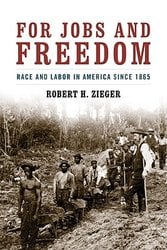 Cover unavailable
Professor Robert H Zieger
Robert H. Zieger examines African Americans’ struggles for equal employment rights and organized labor’s responses from emancipation onward.
Synopsis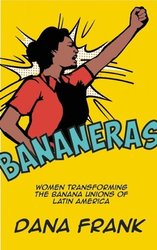 Cover unavailable
Dana Frank
Dana Frank follows Latin American women banana workers organizing for greater influence within their unions, workplaces, and international labor movements.
Synopsis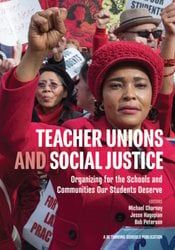 Cover unavailable
Michael Charney, Jesse Hagopian
More than sixty articles examine the history and practice of teacher union organizing that connects public education with community-led social justice efforts.
Synopsis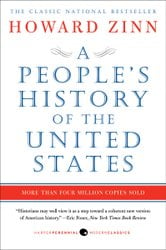 Cover unavailable
Howard Zinn
Howard Zinn recounts United States history through the experiences and struggles of workers, women, Indigenous people, African Americans, and immigrants.
Synopsis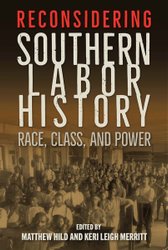 Cover unavailable
Matthew Hild, Keri Leigh Merritt
“Illustrates that labor arrangements are as important now as they have been since abolition.”
North Carolina Historical Review
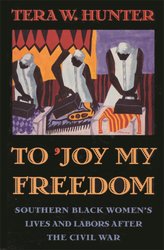 Cover unavailable
Tera W Hunter
Tera Hunter follows formerly enslaved Black women workers in Atlanta as they build livelihoods, communities, and forms of resistance after the Civil War.
Synopsis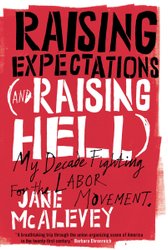 Cover unavailable
Jane McAlevey, Bob Ostertag
Jane McAlevey recounts union-organizing campaigns and conflicts within labor leadership while arguing for a different approach to rebuilding worker power.
Synopsis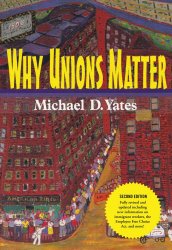 Cover unavailable
Michael D Yates
Michael D. Yates explains how unions form and operate, covering collective bargaining, working conditions, political activity, and divisions among workers.
Synopsis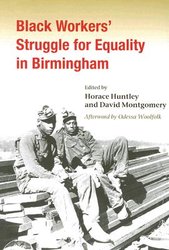 Cover unavailable
 Cover unavailable
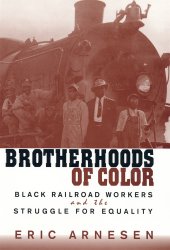
Assistant Professor of History Eric Arnesen
Eric Arnesen traces Black railroad workers’ struggles against racial discrimination by employers, coworkers, and the unions charged with representing them.
Synopsis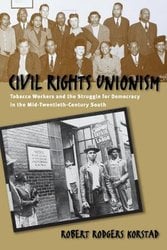 Cover unavailable
Robert R Korstad
Robert Korstad recounts tobacco workers’ organizing in Winston-Salem, showing how Local 22 connected labor rights with civil rights and democratic reform.
Synopsis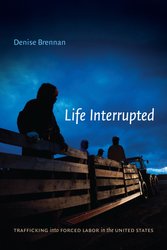 Cover unavailable
Denise Brennan
“Steering clear of lurid depictions of sexual slavery, Brennan has written a serious yet readable account of trafficking in the United States.”
Karunesh Tuli "Foreword ReviewsReview excerpt
 Cover unavailable
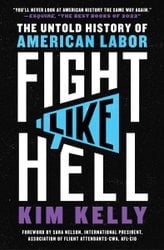
Kim Kelly
“A well-reasoned argument for restoring unions to their former role in the lives of American workers.”
KirkusReview excerpt
 Cover unavailable
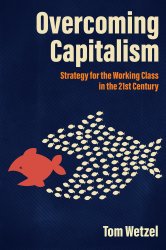
Tom Wetzel
Tom Wetzel examines capitalism’s power structures and proposes an inclusive approach to union organizing aimed at building working-class social and economic power.
Synopsis Cover unavailable
Sarah Jaffe
“An important, timely reminder of the meaning of work.”
Los Angeles Review of BooksReview excerpt
 Cover unavailable
Richard Greenwald, Daniel Katz
Historical perspectives on American working people connect earlier labor struggles with contemporary organizing, collective bargaining disputes, and the movement’s future.
Synopsis Cover unavailable
Erik Loomis
Erik Loomis examines American labor history through ten strikes, tracing how workers organized to challenge employers and change working conditions.
Synopsis Cover unavailable
Ruth Milkman, Kim Voss
“Rebuilding Labor breaks new ground in providing rich empirical material and careful analysis for understanding the dynamics of contemporary labor organizing.”
Richard Flacks, University of California at Santa Barbara
 Cover unavailable
Richard Ford
“This book is worth a read.”
New York TimesReview excerpt
 Cover unavailable
Professor Emeritus of Political Science Irving Bernstein, Frances Fox Piven
Irving Bernstein examines American workers and industrial unionism during the labor conflicts and political transformations of 1933–1941.
Synopsis Cover unavailable
Joe Burns
A strategic account of class-struggle unionism examines rank-and-file organizing, militancy, labor leadership, and building worker power against employers.
Synopsis Cover unavailable
Eric Blanc
Eric Blanc examines teacher walkouts in West Virginia, Oklahoma, and Arizona, focusing on their organizing methods and implications for the labor movement.
Synopsis Cover unavailable
Bill Fletcher Jr, Fernando Gapasin
Bill Fletcher and Fernando Gapasin examine organized labor’s difficulties and propose strategies linking union renewal with broader struggles for social justice.
Synopsis Cover unavailable
Kate Moore
“This timely book celebrates the strength of a group of women, whose determination to fight improved both labor laws and scientific knowledge of radium poisoning.”
and outrage--in book groups." -- Booklist-STARRED reviewReview excerpt
 Cover unavailable
Steven Greenhouse
Steven Greenhouse traces American labor history through workers’ experiences, examining declining collective power, inequality, and contemporary organizing efforts.
Synopsis Cover unavailable
Bernice Yeung
Bernice Yeung investigates sexual violence against low-wage workers and follows their efforts to secure protection, recognition, and justice.
Synopsis Cover unavailable
Kathryn J. Edin, H. Luke Shaefer
Kathryn Edin and H. Luke Shaefer investigate American households surviving with almost no cash income and document the strategies families use to endure.
Synopsis Cover unavailable
Michael K Honey
Michael Honey recounts the 1968 Memphis sanitation workers’ strike and Martin Luther King Jr.’s involvement in its struggles over labor and racial justice.
Synopsis Cover unavailable
Philip Dray
Philip Dray traces American labor organizing from nineteenth-century textile mills through the rise and decline of twentieth-century union power.
Synopsis Cover unavailable
Matthew Behrens, The Canadian Foundation for Labour Rights (Cflr)
This collection examines Canadian labor rights and argues that unions and collective bargaining play a role in reducing inequality and supporting democracy.
Synopsis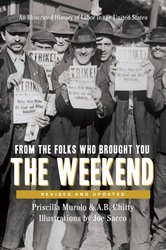 Cover unavailable
Priscilla Murolo, A B Chitty
An illustrated history follows American working people from colonial labor systems to contemporary workplaces, examining organizing and changing social conditions.
Synopsis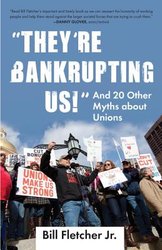 Cover unavailable
Bill Fletcher Jr.
“It’s amazing how much nonsense about unions is believed, and how little is really known about their purpose and proud history.”
Bob Herbert, Distinguished Senior Fellow at Demos and former Op-Ed columnist for The New York TimesReview excerpt
 Cover unavailable
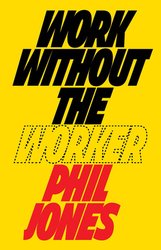
Phil Jones
Phil Jones investigates online crowdworking platforms and the workers whose small digital tasks help train machine-learning systems.
Synopsis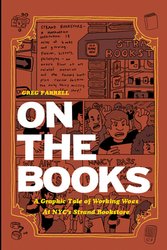 Cover unavailable
Greg Farrell
Greg Farrell’s comics recount the 2012 labor dispute at New York’s Strand bookstore through his experiences and interviews with fellow employees.
Synopsis